March 6, 2026
Selecting the right type of glass for your home plays a vital role in safety, energy efficiency, and overall design appeal. Glass serves not only as a practical building material but also as a defining architectural feature that influences comfort, natural light, and visual style. Understanding the differences between tempered and laminated glass allows homeowners to choose options that align with their lifestyle, climate needs, and safety priorities. The impact of your decision can extend to everything from protection against breakage to improved insulation performance. In fact, according to Glass Magazine, in 2024, 67% of glass fabricators identified security and impact-rated glass as a major industry trend, while 60% reported growing demand for energy-efficient glass solutions. With these factors in mind, this article explores the essential characteristics of tempered and laminated glass to help you determine the best fit for your home, especially when consulting experienced glass companies.
Understanding Tempered Glass Applications
Exploring Key Properties and Benefits
One of the standout features of tempered glass is its increased strength and resistance to impact, which makes it a popular choice for various applications in the home. In the event of breakage, tempered glass shatters into small, blunt pieces, significantly reducing the risk of injury, and making it a safer choice in areas prone to human contact or accidents. This property is especially useful in homes with children or in high-traffic areas where accidents are more likely to occur. Many glass companies recommend tempered glass for safety-focused installations due to these protective qualities.
Identifying Common Applications in Homes
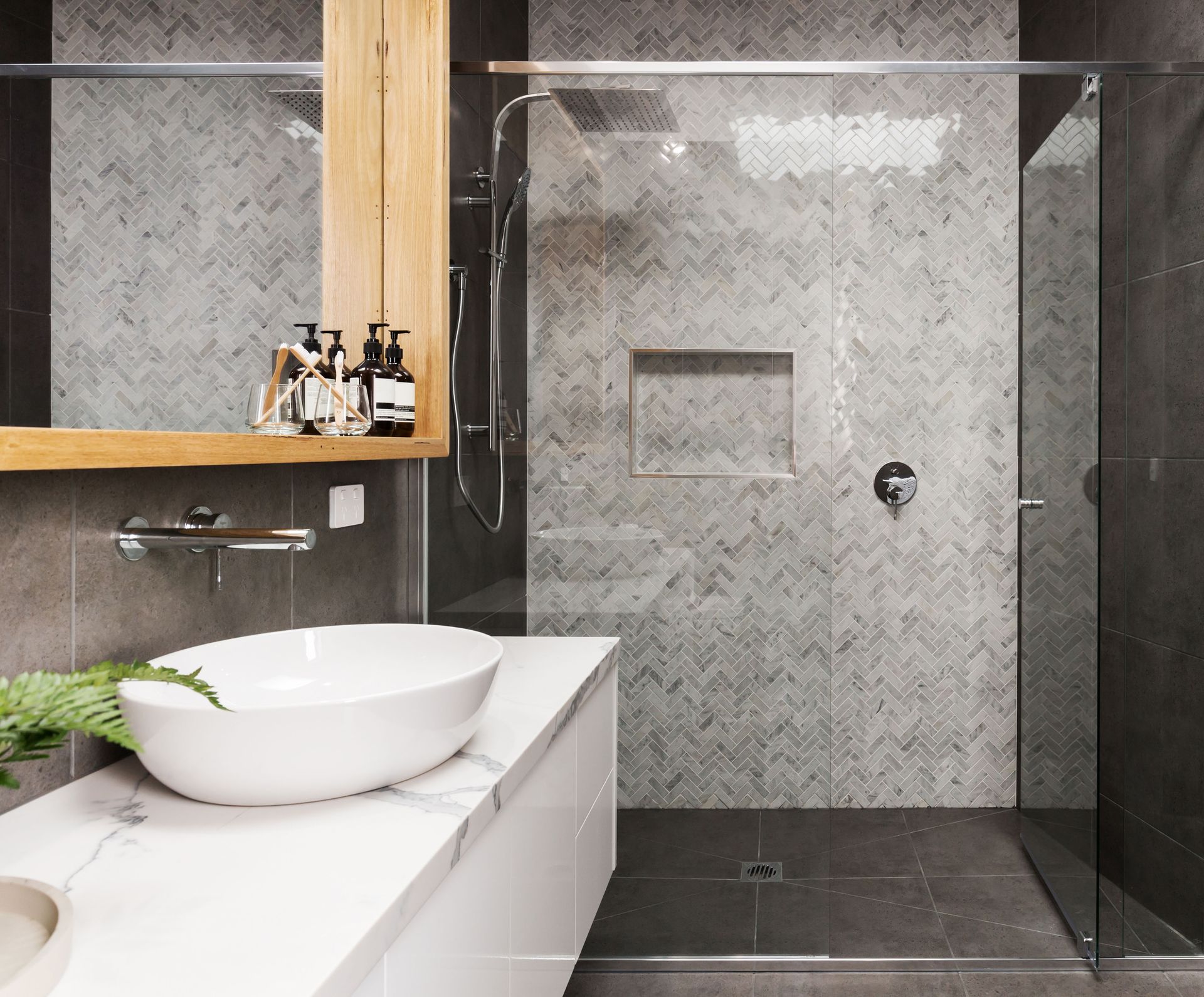
Tempered glass finds its place in a variety of residential applications owing to its safety features and strength. It's commonly used in shower doors, as its shatter resistance provides peace of mind in such moisture-heavy environments.
Understanding Laminated Glass Applications
Examining the Definition and Manufacturing Process
Laminated glass is another safety-focused glass option, made by bonding two or more layers of glass with an interlayer, usually polyvinyl butyral (PVB), through heat and pressure. This process creates a single, cohesive unit that holds together even when shattered, rather than breaking into pieces like tempered glass. The lamination process enhances the structural integrity of the glass, allowing it to remain intact upon impact. This property makes laminated glass an excellent choice for security and noise reduction purposes. Its construction enables it to filter UV radiation while offering soundproofing benefits.
Highlighting Key Properties and Benefits
Laminated glass is renowned for its enhanced security capabilities, as the interlayer keeps the glass intact even when broken, deterring potential intruders. Additionally, it provides effective sound insulation, which is invaluable in reducing ambient noise pollution from outside sources, contributing to a peaceful home environment. This feature is particularly desirable in urban settings or homes close to highways or busy streets. Furthermore, laminated glass enhances UV protection, reducing fading and damage to interior furnishings, making it a favored choice for windows and skylights. The combination of these properties offers a robust, multi-benefit solution for residential glass needs, which is why many homeowners turn to trusted glass companies for professional recommendations.
Identifying Common Applications in Homes
In residential settings, laminated glass is commonly used in windows, doors, and skylights, especially in areas prone to severe weather conditions, due to its ability to withstand strong winds and debris. Homeowners in regions susceptible to hurricanes often opt for laminated glass as it can resist impact and prevent water infiltration better than other types of glass. Laminated glass is also popular in noise-sensitive applications, such as windows in bedrooms or living rooms where noise reduction is desired. Additionally, it can be used in glass floors or stair treads, offering both security and aesthetic appeal. Thus, laminated glass serves multiple purposes, enhancing safety and comfort in various home environments.
Comparing Durability and Safety Features
Evaluating Impact Resistance
Both tempered and laminated glass offer superior impact resistance compared to regular annealed glass, albeit through different mechanisms. Tempered glass achieves its strength through a unique manufacturing process that can withstand substantial impact before breaking. On the other hand, laminated glass relies on its interlayer to absorb and distribute force, making it particularly tough and resistant to breakage. In high-risk areas such as doors and large windows, the choice between these two types can hinge on whether the priority is to prevent entry through breakage or to maintain integrity post-impact. While both provide strong resistance, the decision will often depend on the specific environmental and safety needs of the home, and experienced glass companies can help evaluate those factors.
Analyzing Breakage Patterns
The breakage patterns of tempered and laminated glass differ significantly, impacting their suitability for various applications. Upon breakage, tempered glass shatters into small, dull fragments which are less likely to cause harm, making it a preferred option for areas where safety from sharp edges is a concern. Conversely, laminated glass tends to crack but remain largely intact due to its interlayer, which can enhance security by maintaining a barrier against weather or potential intruders. This is why laminated glass is often chosen for high-risk areas that require both safety and security. Understanding these breakage characteristics is vital for making an informed decision for specific home applications.
Assessing Protection Against Natural Disasters
In regions prone to natural disasters such as hurricanes or earthquakes, the choice of glass can significantly impact home safety and durability. Laminated glass is particularly well-suited for such environments, as its composition allows it to hold together under extreme pressure from wind and debris, minimizing damage and maintaining window integrity. While tempered glass also offers high impact resistance, laminated glass provides an added layer of security against harsh weather conditions, keeping occupants and interiors safe from the elements. This distinct advantage makes laminated glass an essential consideration for homes in disaster-prone areas. Combining safety with durability ensures peace of mind during unpredictable events.
Exploring Aesthetic and Design Flexibility
Reviewing Customization Options
The aesthetic flexibility of glass is integral to home design, with both tempered and laminated glass offering various customization possibilities. Both types can be tailored in terms of size, shape, and thickness, allowing them to fit bespoke design needs or architectural styles. Laminated glass offers additional options, such as incorporating colored interlayers or film treatments to enhance visual appeal and provide additional functionalities. Tempered glass, while primarily known for its safety, can also be decorated through processes like etching or frosted applications. Customization potential supports the glass's ability to complement individual design visions, marrying function with form. Reputable glass companies often provide these customization services to ensure precise results.
Achieving Aesthetic Harmony With Home Design
Glass contributes significantly to the overall aesthetics of a home, and its choice can harmonize or contrast with existing design themes. Laminated glass can offer dramatic color options due to its interlayer possibilities, creating bold design statements or subtle integrations with natural surroundings. This adaptability can significantly enhance modern or contemporary home aesthetics. Tempered glass, usually clearer and brighter, meshes well with minimalist and open designs, fostering a sense of lightness and space. The ability of both types to adapt to design themes underscores their integral role in achieving cohesive visual appeal in home environments.
Choosing between tempered and laminated glass ultimately comes down to your home’s specific safety requirements, environmental conditions, and design preferences. If you’re considering upgrading or installing new glass in your home, professional guidance from experienced glass companies can make all the difference. Contact Demers Plate Glass Co today to discuss your project and explore high-quality glass solutions tailored to your safety, style, and efficiency needs. Their experienced team can help you choose the right option to enhance and protect your home with confidence.